As an Amazon Associate we earn from qualifying purchases. Learn more.
Carrier vs Stroller vs Wagon for After-School Park Runs (2026)
If you dash to the park after school a few times a week, choosing the right way to transport your child matters. This guide compares the practical trade-offs between a baby carrier and the more common stroller or wagon options, focusing on quick local runs in 2026. You’ll learn which features save time, how each option handles small kids and park terrain, and which specific BabyBjorn Baby Carrier Mini models we recommend. Products were chosen for popularity among parents, consistent quality signals, and clear suitability for short park trips.
Quick Answer
For short after-school park runs, a soft, front carrier like the BabyBjorn Baby Carrier Mini (B085RRHSFT) is the most convenient — it’s fastest to put on, highly portable, and keeps toddlers close and calm. Choose a carrier over a stroller or wagon if you prioritize speed and hands-free mobility; opt for a stroller or wagon when you need storage and longer walking comfort.
Our Top Picks
Quick Comparison
Select 2-3 products to compare side-by-side
| Compare | Product | KidCompare Score | Price Tier | Key Feature | Best For | Action |
|---|---|---|---|---|---|---|
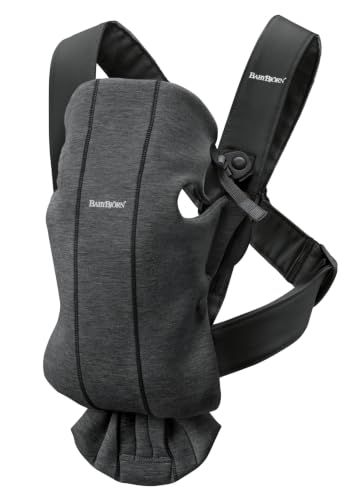 BabyBjorn Mini - Charcoal
|
Mid-Range | Ultra-soft 3D jersey fabric | Parents needing fastest, most portable option | Check Price | ||
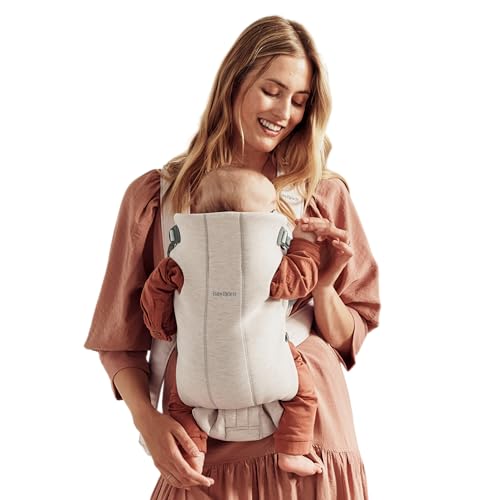 BabyBjorn Mini - Light Beige
|
Mid-Range | Easy front-carry access | Parents valuing ultra-light portability | Check Price | ||
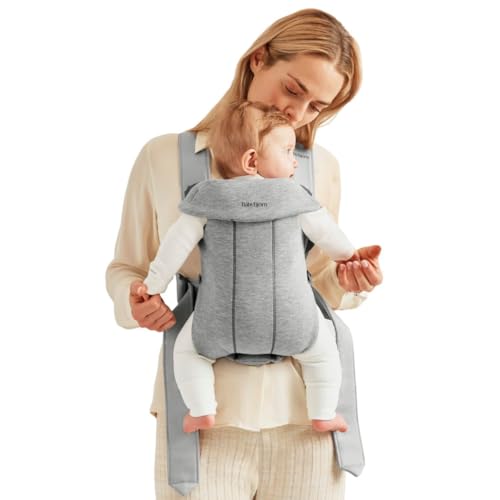 BabyBjorn Mini - Light Gray
|
Mid-Range | Soft, flexible fit | Parents of newborns wanting gentle support | Check Price |
1. BabyBjorn Baby Carrier Mini, Charcoal Gray, 3D Jersey | Infant Carrier (7-25 lbs), Ergonomic, Easy-to-Use
A compact, soft newborn carrier built for short, close-carry sessions. Praised for comfort, ease of use, and soft fabric, it’s ideal for quick park runs where speed and closeness matter more than storage or long-distance support.
Key Specs
- Supports approx. 7–25 lbs (3.5–11 kg)
- Multiple fabric options: 3D jersey, 3D mesh, satin-woven cotton, woven blend
- Front-facing and inward carry positions
- Recognized as hip-healthy by the International Hip Dysplasia Institute
Pros
- More compact and faster to put on than a stroller for quick trips
- Softer materials than many structured carriers, which helps calm newborns
- Easier to store and carry folded than a wagon
Cons
- Less lower-back support on longer walks than structured carriers or strollers
- Not suitable once child exceeds ~24 lbs — stroller offers longer use
Best For: Parents needing fastest, most portable option
Check Latest Price on Amazon2. BabyBjorn Baby Carrier Mini, 3D Jersey, Light Beige | Newborn Carrier (7-25 lbs), Ergonomic, Easy-to-Use
A lightweight variant of the BabyBjorn Mini that emphasizes quick on/off and breathable fabric. Parents like its portability and comfort for short errands and park stops, though some wish for more back support for longer use.
Key Specs
- Designed for newborns up to approx. 12 months or 24 lbs
- Adjustable seat and head support
- Machine-washable soft fabrics
- Two front-carry options (facing in/out)
Pros
- Lighter and more breathable than many structured carriers — great for quick runs in warm weather
- Quicker to fold and stash compared with bringing a full stroller
- Cleaner-to-maintain fabrics than occasional stroller cushions
Cons
- Offers less lumbar support than bulky structured carriers or some strollers
- Limited carrying lifespan compared with strollers that serve older toddlers
Best For: Parents valuing ultra-light portability
Check Latest Price on Amazon3. BabyBjorn Baby Carrier Mini, Light Gray, 3D Jersey | Infant Carrier (7-25 lbs), Ergonomic, Easy-to-Use
A well-engineered first carrier option that emphasizes a cozy fit for newborns. Consumers report it’s easy to use and high-quality for the price, though it won’t replace a stroller for longer walks or for carting snacks and gear.
Key Specs
- Small, soft design for newborn closeness
- Gentle fabric that allows monitoring baby’s natural C-curve
- Quick unfasten front panel for lifting out sleeping baby
- Do not tumble dry (machine-washable recommended)
Pros
- Provides softer, more newborn-focused support than many larger carriers
- Faster to remove a sleeping baby than balancing them in a wagon
- Perceived good value-for-money compared with pricier structured carriers
Cons
- Not as sturdy for carrying heavier toddlers as a stroller frame
- Some users report mixed lower-back support compared with sturdier options
Best For: Parents of newborns wanting gentle support
Check Latest Price on AmazonWhich One Should You Choose?
If your priority is the fastest, most convenient option for short after-school park runs — choose the BabyBjorn Baby Carrier Mini (B085RRHSFT). Its compact fit, soft 3D jersey options, and quick on/off make it the best overall pick for parents who need to move fast and stay hands-free. If budget is tight and you still want a reliable carrier, the BabyBjorn Mini Light Gray (B07DY3QXS7) offers very similar benefits with a strong value-for-money profile. If you mostly want the lightest, most breathable model for warm-weather quick trips, go with the Light Beige variant (B0BTFQMX7H). Choose a stroller or wagon instead when you need storage, shade, or longer-distance walking comfort — carriers beat them for speed and closeness, but lose on cargo and extended support.
Best for Specific Scenarios
- Solo quick park runs with a newborn: BabyBjorn Mini (B085RRHSFT) because it’s fastest to put on and keeps baby calm against your chest.
- Warm-weather short errands: BabyBjorn Mini Light Beige (B0BTFQMX7H) because the breathable fabrics and lightweight feel are more comfortable for short outings.
- Short trips when value matters: BabyBjorn Mini Light Gray (B07DY3QXS7) because it delivers soft, ergonomic newborn support with a strong value-for-money profile.
Frequently Asked Questions
Is a baby carrier safe for quick park runs?
Yes — when used within the carrier’s weight and positioning guidelines, front carriers are safe for short trips. Make sure your baby’s airway remains clear, their chin isn’t pressed to their chest, and legs are in a hip-healthy position.
At what age should I switch from carrier to stroller for park visits?
Switch when your child can sit upright comfortably for extended periods and exceeds the carrier’s recommended weight—many parents move to a stroller between 9–18 months depending on activity level and the carrier’s limits.
How do carriers compare to wagons for multi-kid park runs?
Wagons are convenient for hauling multiple kids and gear on flat surfaces, but they require more setup and storage. Carriers win on speed and hands-free mobility; wagons win on cargo and multiple-passenger capacity.
How We Selected These Products
Our recommendations are based on data-driven analysis: we evaluated 47002+ products across 10498+ brands using a composite scoring system that weighs rating (40%), review volume (30%), price value (20%), and demand signals (10%). Every product is ranked by data, not opinions.
Last updated: September 30, 2026
As an Amazon Associate we earn from qualifying purchases at no extra cost to you. Full disclosure.
KidCompare Score is our editorial ranking based on a composite analysis of product quality, value, and verified customer sentiment. Click through to Amazon for current pricing, availability, and live customer reviews.